How to Finance a Waterfront Property in Ontario
— BUYER RESOURCE —
The Fine Print of Waterfront Living
Buying a waterfront property isn’t like buying a city home. Beyond the excitement of docks, sunsets and boating, there’s a practical reality many first-time buyers overlook: financing is different.
Banks and lenders often treat cottages and rural waterfront properties as higher risk. Seasonal access, septic systems and even property type can all affect your mortgage approval.
This guide breaks down how financing a cottage works, the challenges you might face and how to prepare before making an offer.
⸻
Why Waterfront Financing Is Different
Lenders see waterfront and rural properties as riskier investments than city homes. The main reasons are:
Unique property types: Seasonal cottages, island properties, and cabins are harder to resell if the bank ever needs to recover costs.
Limited comparables: With fewer nearby sales, appraisals can be more subjective.
Seasonal access: Properties without year-round road access reduce buyer demand, making lenders more cautious.
⸻
Mortgage Rules for Cottages
Lenders often group cottages into two broad categories:
1. Type A Cottages (Year-Round Waterfront Homes)
Fully winterized, with proper insulation and heating
Year-round road access
Septic and well systems in good condition
Typically treated similarly to primary residences
Down payment: As little as 5–10% with mortgage insurance
2. Type B Cottages (Seasonal or Limited Access)
May lack full winterization or year-round road access
May rely on wood stoves or minimal heating
Financing is more restrictive
Down payment: Often 20–35% or more
Some lenders won’t finance these properties at all
Buyers are still subject to Canada’s mortgage stress test, but qualification can effectively be tighter due to higher down payment requirements and insurance limitations on seasonal properties-particularly in Ontario’s cottage markets.
⸻
Down Payments and Interest Rates
Year-Round Waterfront Home: Minimum 5–10% down (with mortgage insurance such as CMHC/Sagen).
Seasonal Cottage: Typically 20–35% down, uninsured.
Luxury or Unique Properties: May require higher down payments or alternative financing.
Interest rates may also be slightly higher for seasonal or non-traditional properties.
⸻
Appraisals and Market Value
For waterfront properties, appraisals are critical. Lenders want reassurance that the property is worth what you’re paying- but because no two waterfront lots are exactly alike, appraisers often rely on fewer comparable sales.
In some cases, this can lead to more conservative valuations, meaning the appraised value comes in below the purchase price. This is especially common in Ontario cottage regions, where factors like shoreline, frontage and water depth can significantly impact value.
Tip for Buyers
Work with a mortgage broker who specializes in cottage country- they often know which lenders are more flexible with waterfront properties.
⸻
Other Costs to Budget For
Financing isn’t just about your mortgage. Buyers should also budget for:
Septic and Well Inspections: Often required by lenders to confirm the property is habitable.
Insurance: Waterfront and rural insurance can be higher due to wood stoves, boathouses, or distance from fire services (a common factor in rural Ontario).
Property Taxes: Lakefront properties often carry higher assessments.
Utilities: Hydro, propane, heating oil and internet can cost more than in urban areas.
⸻
Rental Income and Financing
Some buyers plan to rent their cottage to help offset costs. While this can be financially beneficial, don’t assume lenders will count rental income toward your mortgage approval.
Many lenders won’t consider rental income unless it’s from a legal, long-term rental with a proven income history. Short-term rentals (Airbnb/VRBO) are even less likely to be included.
If you’re planning to rent your property, it’s also important to understand local regulations, licensing, and restrictions. You can read more in Short Term Rentals and Rules: Can You Airbnb Your Cottage?
⸻
Tips for Securing Cottage Financing
Get pre-approved before viewing properties
Waterfront markets move quickly and sellers expect strong, qualified buyers.
Work with a cottage-savvy broker
Not all lenders finance seasonal or island properties- brokers can connect you with those who do.
Consider a larger down payment
More equity can improve your approval odds and lender flexibility.
Prepare for higher closing costs
Appraisals, inspections and legal work are often more expensive in rural areas.
Ask about vendor take-backs
In some cases, sellers may finance part of the purchase- especially for unique properties banks hesitate on.
⸻
When to Consider Alternative Financing
If traditional lenders won’t finance your property, private lenders or credit unions may step in. While interest rates are higher, they can provide short-term solutions until you refinance with a mainstream lender.
⸻
Frequently Asked Questions About Waterfront Financing in Ontario
Can you get a mortgage for a waterfront property in Ontario?
Yes, but it depends on the property. Year-round waterfront homes are typically easier to finance, while seasonal or off-grid cottages- common in areas like Muskoka and Georgian Bay- may require larger down payments or alternative lenders.
What is the minimum down payment for a cottage in Ontario?
For a year-round waterfront home, you may be able to put down as little as 5–10% with mortgage insurance. Seasonal cottages typically require 20–35% down or more.
Do Ontario banks finance seasonal or off-grid cottages?
Some do, but many lenders have restrictions. Properties without year-round road access, full winterization or reliable utilities can be harder to finance.
Can Airbnb income be used to qualify for a mortgage in Ontario?
In most cases, lenders will not include short-term rental income when qualifying you. Long-term rental income may be considered if there is a documented history and the property complies with local regulations.
Why do waterfront properties in Ontario require larger down payments?
Lenders consider them higher risk due to limited resale markets, unique property features and location factors like seasonal access, private roads and septic or well systems.
⸻
Conclusion
Financing a waterfront property isn’t impossible- it just takes planning. Road-access, four-season homes are the easiest to finance, while seasonal or boat-access cottages require larger down payments and more creative solutions.
By understanding how lenders view cottages and preparing your finances upfront, you’ll avoid surprises and move confidently toward securing your piece of the lake.



Start with the essentials most buyers miss - then go deeper where it matters.
Continue Your Waterfront Buying Journey
____


Real Cost of Waterfront Ownership
What buyers don't budget for (until it's too late).
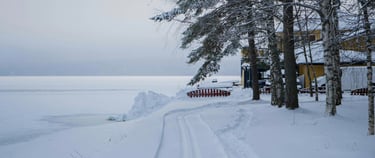


Seasonal vs. Year-Round Living
Can you actually live here in winter? Here's the truth.
Financing a Waterfront Property
Why getting approved isn't always straightforward.
Septic Systems & Wells
What most waterfront buyers overlook (and regret later)






___
🏡 Free Waterfront Buyer Checklist
Buying on the water? Get your free checklist - it walks you through shoreline features, lot privacy, water systems, and key red flags to watch for.
We respect your privacy. Unsubscribe anytime. •Includes occasional tips on local listings & lakes.