Buying Waterfront 101
Buying Waterfront Property in Ontario: Complete Beginner Guide
— BUYER RESOURCE —
Not all waterfront properties are accessible in every season. Many cottages sit on private or unmaintained roads that aren’t plowed in the winter, meaning they’re only usable during spring, summer, and fall. If you’re planning to live year-round or retire to your cottage, you’ll want a property on a municipally maintained road. Buyers should also confirm whether the property is classified as “seasonal” or “year-round” with the municipality, since this can affect financing and insurance.
Year-Round vs. Seasonal Access
Septic Systems & Wells
Most waterfront homes in cottage country aren’t connected to municipal water or sewer services. Instead, they rely on private wells for water and septic systems for waste. It’s important to understand the condition, age, and capacity of these systems before you buy, since replacements can be costly. Inspections are critical, and some lakes have strict rules on septic distance from the shoreline to protect water quality.
Shoreline Rules
Owning a waterfront property doesn’t always mean you “own” right to the water’s edge. In Ontario, the first 66 feet (called the “shore road allowance”) may be owned by the municipality, even if it looks like part of your lot. This can impact building docks, boathouses, or even landscaping. Always check local zoning and conservation authority rules, since violations can lead to costly fines or required removal of structures.
Property Access
Some cottages can only be reached by water, meaning you’ll need a boat to get there. These “boat access only” properties are often less expensive, but they can be challenging if you’re not comfortable boating or want year-round access. Others may be at the end of gravel or private roads, which may involve maintenance agreements with neighbors. Understanding exactly how you’ll get to the property in every season is key.
Heating & Insulation
Many older cottages were designed for summer use only, with minimal insulation, single-pane windows, or reliance on wood stoves and space heaters. If you plan to use your property in winter, upgrading insulation, heating systems, and windows may be necessary. A cottage described as “4-season,” can mean different things -some properties may be fully winterized with modern insulation and heating, while others only partly upgraded. It’s always worth confirming the details.
Internet & Utilities
While hydro is widely available, other services like natural gas, high-speed internet, and cell coverage may be limited. Some areas rely on propane or oil heating, and internet may only be available through satellite or specialized rural providers. If you plan to work remotely from your cottage, check service maps or test speeds before you commit. Reliable utilities can make a big difference in year-round comfort and value.
Insurance
Cottage insurance is often more expensive than city homes due to risks like wood stoves, waterfront flooding, or seasonal use. Some insurers won’t cover properties that aren’t winterized or occupied year-round. Premiums may also depend on distance to the nearest fire station, type of heating, and whether the home is rented out. Talk to a broker early so you know what coverage is available before making an offer.
Financing
Not all banks finance cottages the same way they do city homes. Some lenders won’t touch seasonal or boat-access-only properties. You may need a larger down payment, sometimes 25–35%, dependingon the type of cottage and location. Working with a mortgage broker who understands recreational properties can make the process smoother and avoid last-minute surprises.
Rental Potential
If you’re planning to offset costs by renting your cottage, check local rules before buying. Some municipalities are introducing restrictions or licensing requirements on short-term rentals like Airbnb. Properties on popular lakes often have strong rental demand, but accessibility, number of bedrooms, and amenities (like a sandy beach or hot tub) can significantly affect rental income. Running the numbers ahead of time can help you choose a property that makes financial sense.
The Lake Itself
Every lake has a unique personality - from its water quality to the type of activities it supports. Some lakes are quiet and ideal for canoeing or fishing, while others allow motorboats, jet skis, and water sports. Depth, weed growth, shoreline type, and public access can all affect property value and enjoyment. It’s important to spend time on the lake before buying, or work with a local expert who can help match the lake to your lifestyle.
The Top 10 Things You Must Know
__

Start with the essentials most buyers miss - then go deeper where it matters.
Continue Your Waterfront Buying Journey
____
Real Cost of Waterfront Ownership
What buyers don't budget for (until it's too late).
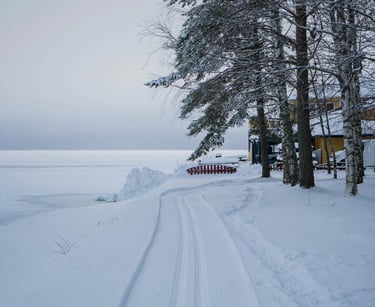


Seasonal vs. Year-Round Living
Can you actually live here in winter? Here's the truth.
Financing a Waterfront Property
Why getting approved isn't always straightforward.
Septic Systems & Wells
What most waterfront buyers overlook (and regret later)






🏡 Free Waterfront Buyer Checklist
Buying on the water? Get your free checklist - it walks you through shoreline features, lot privacy, water systems, and key red flags to watch for.
We respect your privacy. Unsubscribe anytime. •Includes occasional tips on local listings & lakes.